Professional mistakes / FIELD NOTES 11
A concept is a concept. Label it.
Drawing studies, proposed designs and completed tattoo work tell different stories. A portfolio should distinguish them.
Make the medium, your contribution and the status of each piece clear to the viewer.
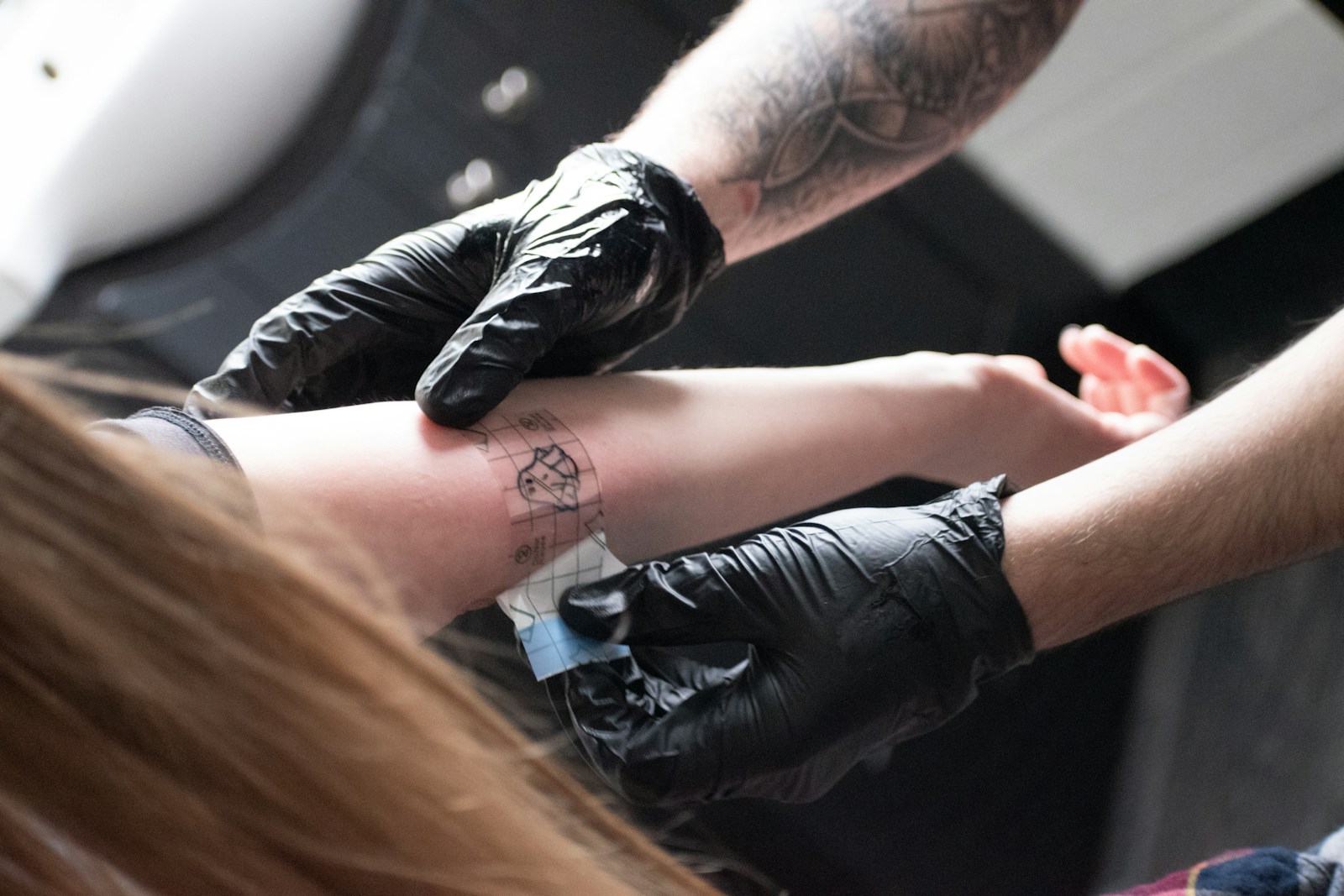
Let the viewer know what they are seeing
A drawing can show composition, line and visual ideas. It does not demonstrate the same experience as professional application. A portfolio becomes more useful when its captions distinguish studies, concepts, supervised activity and completed work without leaving the reader to infer the context.
Accurate labels do not diminish a learning portfolio. They give a reviewer a fair starting point. Someone can respond to the strength of a drawing and discuss its next development without first discovering that the page was presented in a misleading way.
Treat references with care
Studying an existing image can be part of learning, but the context should remain explicit. Do not present another artist’s design as your original work. Keep the reference information alongside a study, and ask a tutor how to describe the exercise clearly if you plan to show it.
For collaborative projects or photographs of people, agree publication and credit arrangements before adding the material to a public collection. Keep your own contribution specific. A clear record is easier to maintain from the beginning than to reconstruct after a question has been raised.
Edit the collection for its purpose
A portfolio for a training conversation has a different task from a professional service portfolio. Decide which conversation the collection is meant to support. Include work that helps a viewer understand your current level and visual direction, rather than trying to imply a broader experience through quantity.
Review the captions as carefully as the images. Can you explain the status of each piece in one sentence? If not, revise the description. A modest, accurate portfolio can begin a useful conversation. An overstated one makes that conversation harder before the artwork is even discussed.
BEFORE YOU MOVE ON
Three questions to take with you.
- Is this a study, original concept, supervised work or completed work?
- Have I credited references and collaborators accurately?
- Can the caption be understood without a separate explanation?
This is a general decision guide. It does not verify a provider, predict earnings, assess professional competence or replace qualified technical guidance.