Working life / FIELD NOTES 12
A studio visit is not an apprenticeship.
Before describing an opportunity on your CV, establish the role, supervision and learning arrangements that were actually agreed.
Keep observation, assistance and assigned responsibility separate in your learning record.
Understand the agreement
A conversation, a visit and a structured learning arrangement are different experiences. Before planning around an opportunity, ask what has actually been offered: its purpose, timing, supervisor and expected activities. Avoid giving the arrangement a more substantial label simply because that label sounds familiar.
Write a short account of the agreed role and confirm unclear points with the host. The aim is to make expectations understandable to both sides. A thoughtful question at the beginning can prevent a later disagreement about what a learner was meant to observe or contribute.
Respect the workplace context
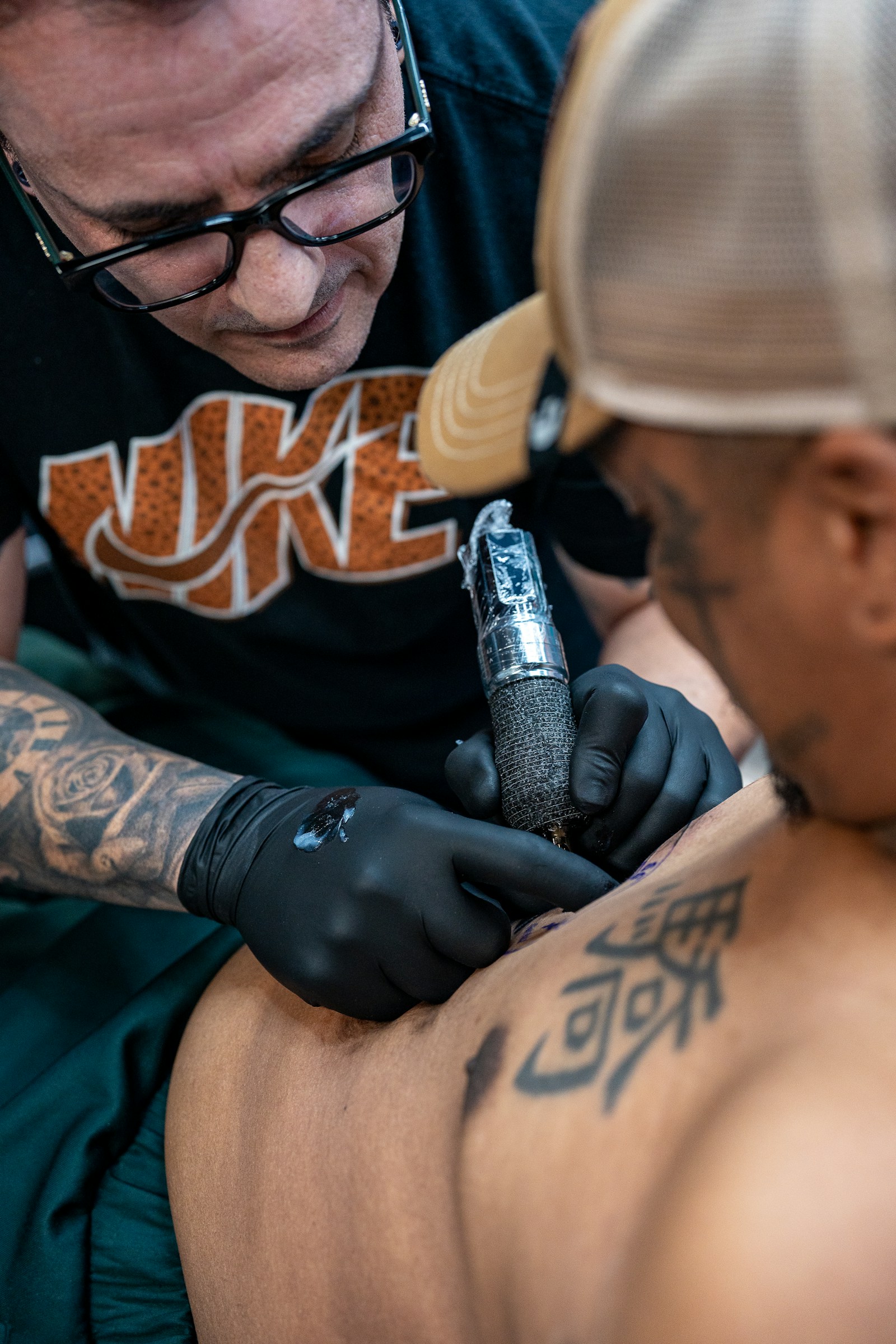
A studio’s client conversations, designs and records are not automatically portfolio material. Ask what you may record and whether photography is permitted. A learning note should not expose private information or imply that a client has agreed to appear in a public account.
Follow the host’s relevant protocols and the limits of your role. This article does not authorise technical activity or provide professional safety instruction. If a task or responsibility is unclear, raise the question with the person responsible for your supervision before proceeding.
Describe the experience accurately
When writing a CV or reviewing a placement, distinguish observation from assisted work and assigned responsibility. Explain the duration and context without turning a short encounter into a claim of independent practice. An accurate account gives a future reviewer useful information.
Finish your notes with what you learned and what remains to be clarified. Perhaps you now understand how a drawing discussion is organised, or have a more specific question about studio communication. Those are real observations. They do not need an inflated title to become part of your development.
BEFORE YOU MOVE ON
Three questions to take with you.
- What role has the studio actually offered?
- Who is responsible for supervision and review?
- What may I record, photograph or share?
This is a general decision guide. It does not verify a provider, predict earnings, assess professional competence or replace qualified technical guidance.