Working life / FIELD NOTES 05
A good cake is not a working day.
Liking the finished product is a beginning. Understanding the tasks around it is a different kind of preparation.
Ask people to describe a real day, including preparation, communication and the less visible work.

Ask about the ordinary day
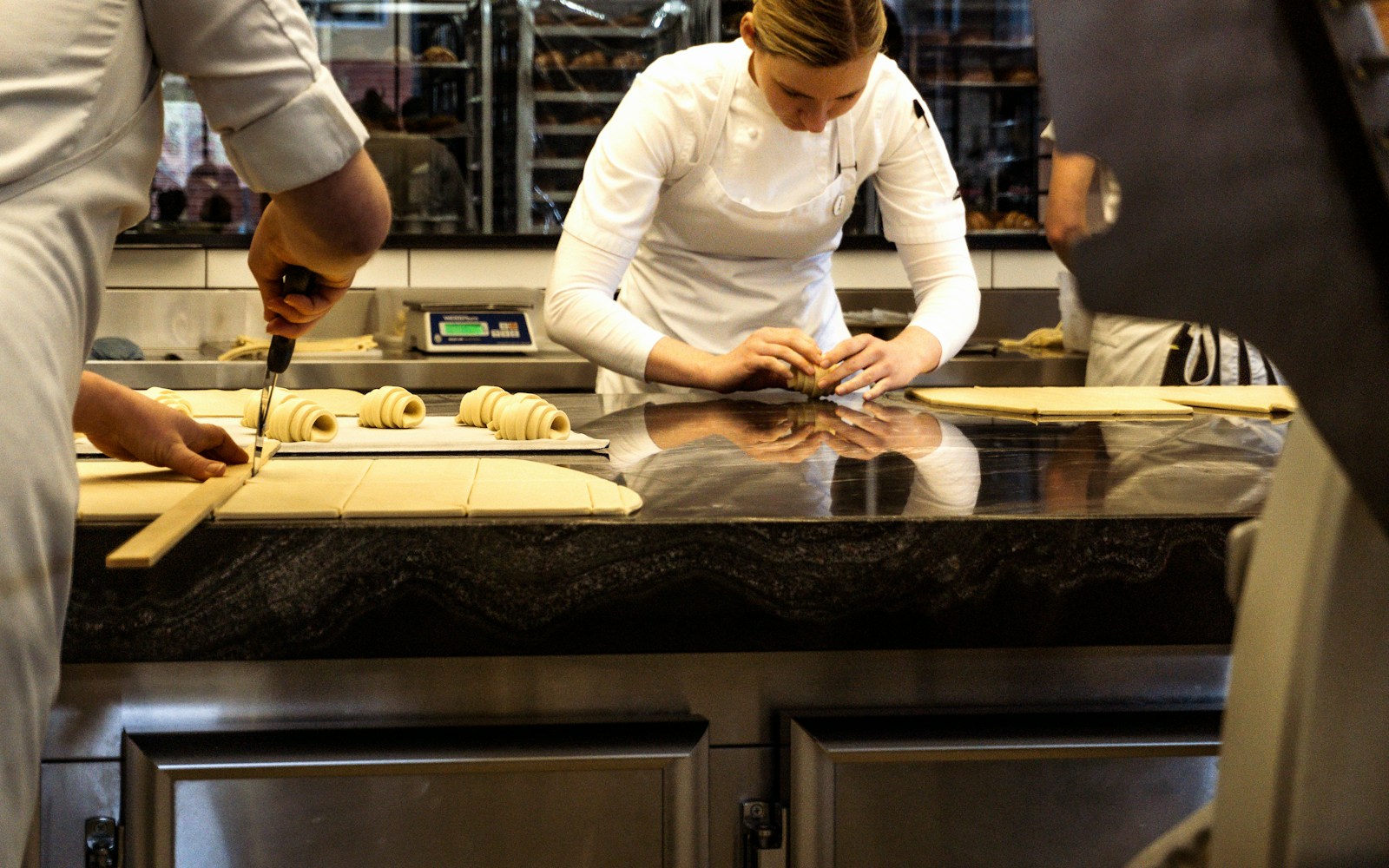
A finished cake or pastry tells you something about a craft. It does not show the full working day around it. Before choosing a training direction, ask a practitioner to describe a recent day from arrival to handover, including the tasks that would never appear in a portfolio.
Keep the question open. Different settings organise work differently, and one person’s account should not become a universal picture of the industry. You may hear about preparation, communication, recording information or coordinating with others. The useful result is a richer set of questions, not a single idealised routine.
Understand the place you are entering
A teaching kitchen, a bakery and a small independent business may offer different experiences. If you are considering a placement, ask about your actual role, supervisor and learning arrangements. Clarify what you may observe, assist with and undertake only under guidance.
Ask how instructions are confirmed and how a learner should raise an uncertainty. A workplace introduction should help you understand the setting. It should not leave you inferring responsibility from the fact that you are present. Follow the host’s applicable technical and safety protocols rather than treating an editorial guide as instruction.
Bring the reflection back to your decision
After a conversation or visit, separate what interested you from what surprised you. Do you enjoy the kind of work described, or mainly the image of the finished product? Which part would you like to experience under supervision before making a larger commitment?
This reflection need not produce a permanent verdict. It can identify a sensible next question for a tutor or potential host. A more informed choice begins with a fuller picture of the work, including the parts that are routine, collaborative and difficult to photograph.
BEFORE YOU MOVE ON
Three questions to take with you.
- What happens before and after the product is made?
- How does a team communicate changes and delays?
- Which tasks would a new learner be supervised to undertake?
This is a general decision guide. It does not verify a provider, predict earnings, assess professional competence or replace qualified technical guidance.